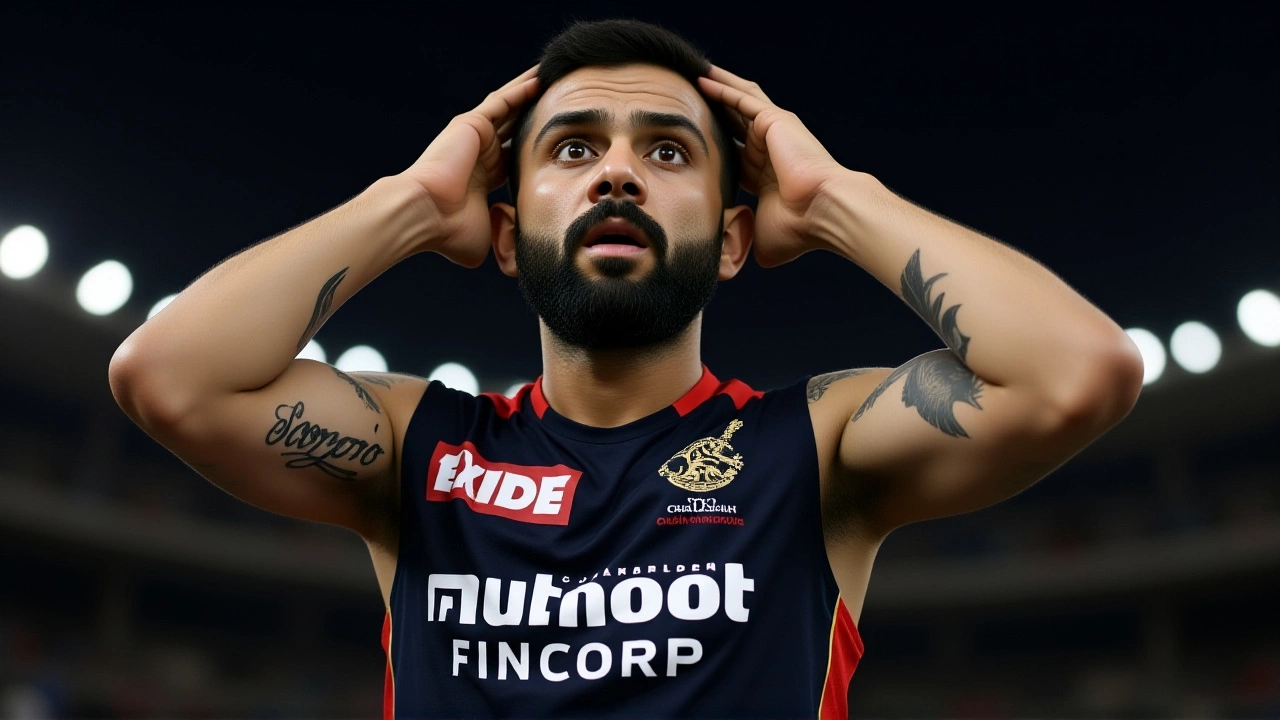
When Board of Control for Cricket in India (BCCI) officials gathered with franchise captains in Mumbai on March 25, 2026, the message was clear: the era of casual chaos is over. The governing body has unveiled a strict new set of guidelines for the upcoming season that ban sleeveless jerseys and slippers during post-match presentations, prohibit match-day practice sessions, and lock in the controversial Impact Player rule through 2027.
Here’s the thing—this isn’t just about dress codes. It’s a fundamental shift in how teams prepare, present themselves, and play the game. With the tournament scheduled to run from March 28 to May 31, 2026, these rules will dictate every aspect of the competition, from the nets to the podium.
The End of Casual Fridays
Turns out, broadcasters and advertisers have had enough. Under the new protocols, players can no longer stroll onto the presentation stage in undershirts or flip-flops. The BCCI has explicitly banned sleeveless jerseys and slippers, mandating that athletes appear in "proper gear" and formal attire.
If you think this is minor, consider the penalties. A first offense results in a monetary fine. A second? A heftier one. While the exact amounts haven’t been disclosed, the intent is obvious: protect the brand value of the league. Broadcasters raised concerns that players sitting in front of LED advertising boards blocked crucial ad space. Now, substitutes must sit in designated dugout areas marked by towels and water bottles, keeping the digital billboards visible.
Even the iconic orange and purple caps are under scrutiny. Run-scoring and wicket-taking leaders must wear their respective caps for at least the first two overs of an innings. This ensures cameras get those clean shots for highlights, satisfying the commercial demands of the league’s sponsors.
No Nets, No Excuses
But wait—the biggest shocker isn’t what players wear, but where they can train. The BCCI has barred all formal practice sessions on match days. That’s right. If your team plays today, you don’t touch a ball in the nets today.
This rule aims to preserve pitch conditions and prevent fatigue. Teams are allotted specific time slots—roughly 3 to 3.5 hours—for practice on non-match days. Even then, there are strict limitations:
- No open nets: Teams cannot use open-access practice areas on match days.
- Wicket rotation: At venues like Wankhede Stadium, if both teams train simultaneously, each gets two wickets. If one team finishes early, the other cannot use their used strip. This prevents any side from gaining an unfair advantage by testing a worn surface.
- Main square ban: No fitness tests are allowed on the main playing area on match days. Injured players can’t take last-minute runs on the actual pitch.
Logistics have also tightened. Players must travel to stadiums via team buses on practice days. Private cars? Not permitted. Even for optional sessions, players must travel in groups via vans, eliminating solo trips.
The Impact Player Debate Continues
During the captains’ meeting, most franchise leaders voiced strong reservations about the Impact Player rule. Introduced in 2023, this regulation allows teams to substitute a player from their starting XI at any point during the match. Critics argue it disrupts the balance between bat and ball, favoring batting-heavy lineups.
Despite the pushback, the BCCI stood firm. The rule remains unchanged for IPL 2026 and will continue until at least the end of the 2027 season. There will be no further reviews before then. For coaches, this means strategic planning must account for a 12th man who can enter the game without replacing a batsman or bowler specifically, adding a layer of tactical complexity that hasn’t settled yet.
Dew and Ball Changes
Another contentious issue addressed was the dew factor. Night matches often see heavy moisture accumulate on the ball, making it slippery for bowlers in the second innings. The current protocol allows a ball change after the 10th over of the second innings if grip is compromised. The BCCI confirmed this threshold remains unchanged for 2026.
While some captains wanted stricter controls, the board maintained that the existing rule sufficiently counters the dew problem without disrupting the flow of the game too drastically.
What’s Next for Franchises?
The structural format remains familiar: a group stage followed by playoffs, with 74 matches total. The top four teams advance, with the winner of Qualifier 1 going straight to the final. However, the operational burden on franchises has increased significantly.
Team managers now face tighter schedules, stricter transport rules, and higher stakes for disciplinary infractions. As the league prepares for potential expansion to 84 matches in 2027 and 94 matches by 2028, these 2026 rules serve as a stress test for compliance and professionalism.
Frequently Asked Questions
Can IPL teams practice on match days in 2026?
No. The BCCI has explicitly banned all formal practice sessions on match days. Teams are restricted to practicing only on non-match days, with sessions limited to approximately 3 to 3.5 hours. This rule aims to preserve pitch quality and manage player workload.
Why are sleeveless jerseys and slippers banned?
The ban is driven by broadcaster and advertiser requirements. Casual attire was deemed inconsistent with the professional image of the league. Players must now wear proper gear during post-match presentations, with fines imposed for violations to ensure compliance.
Is the Impact Player rule changing for 2026?
No. Despite objections from several captains regarding its impact on game balance, the BCCI confirmed the Impact Player rule will remain unchanged for the 2026 season and will continue through at least the end of 2027.
How does the new ball-change rule work?
Match officials may allow a ball change after the 10th over of the second innings if the ball becomes difficult to grip due to dew. This protocol remains unchanged from previous seasons to help bowlers counter moisture issues common in night matches.
What happens if a player hits a ball into an LED board?
Players are prohibited from hitting balls onto LED advertising boards. Violations may result in monetary fines. Additionally, players and staff are banned from sitting in front of these boards, which must remain unobstructed for advertisers.