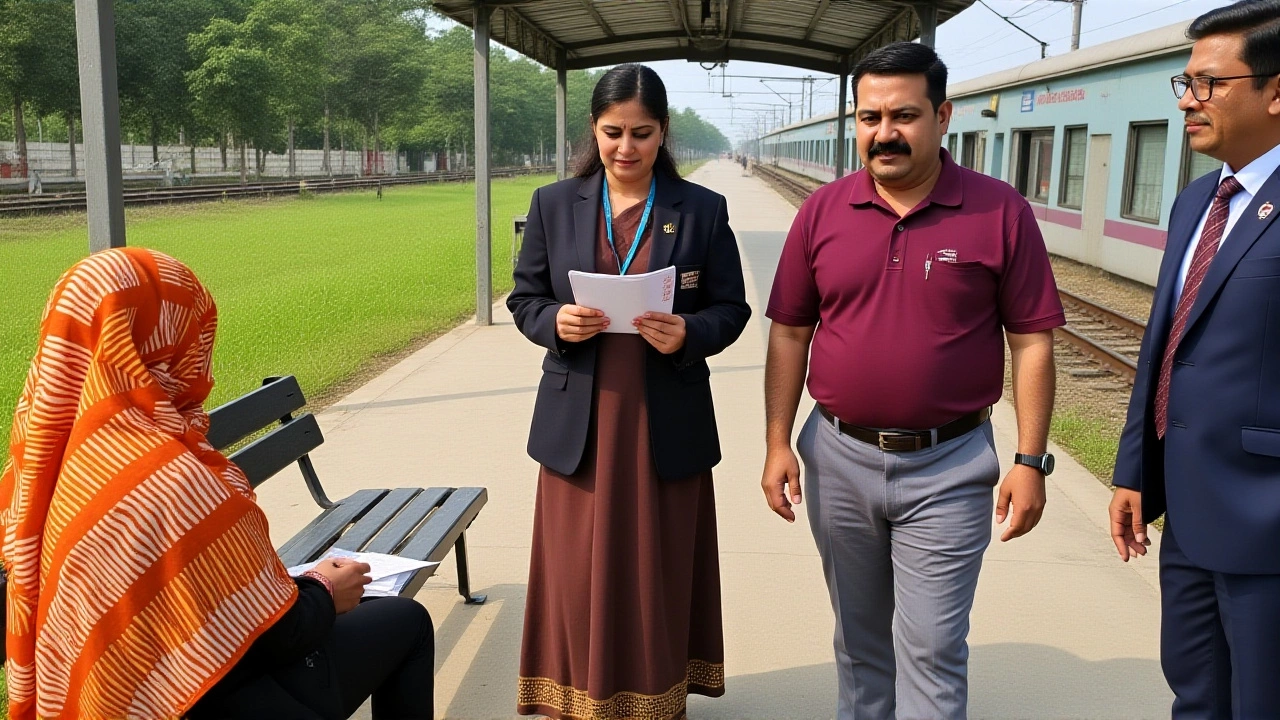
Chaos erupted on a Mumbai local train when a ticketless passenger allegedly assaulted railway staff, leaving multiple officials injured in what has become a viral flashpoint for public safety debates. The incident occurred on the Virar line between Dadar and Borivali stations, specifically inside a first-class coach.
Here’s the thing: this isn’t just another scuffle. It highlights the growing tension between commuters and enforcement staff on India’s busiest rail network. While details remain sparse, footage circulating online shows a violent confrontation that ended with the suspect being handed over to the Railway Police.
The Incident at Dadar-Borivali Section
According to transcripts from viral videos, the trouble started when Shamsher Ibrahim, Deputy Chief Ticket Inspector of Indian Railways, began checking tickets in the first-class compartment. Instead of producing a valid ticket or paying a fine, the passenger reportedly became aggressive.
The situation escalated quickly. Witnesses described a physical altercation where the passenger attacked the inspection team. "In this beating, even the man in the yellow kurta was injured," one transcript notes. Alongside Ibrahim, another railway employee sustained injuries during the brawl. The violence was so severe that bystanders were heard shouting, "Give him water, man," suggesting someone was left incapacitated or distressed on the platform or train floor.
This isn't an isolated case of commuter rage. It mirrors a broader pattern of resistance against ticket checks, particularly in premium classes where fare evasion penalties are significantly higher. The attacker was eventually subdued and handed over to the Railway Police for further legal action, though specific charges filed under the Indian Railways Act remain unclear.
Viral Videos and Public Outcry
The incident gained traction after clips surfaced on YouTube and other social media platforms. One video, titled "Without Ticket... Hooliganism on Platform," has sparked intense debate. Another separate but related clip involving a Gareeb Rath train—where a young man argued with a Travelling Ticket Examiner (TTE)—has garnered over 44,000 views in just two weeks.
Interestingly, public sentiment appears to be largely on the side of the railway staff. Commenters on the Gareeb Rath video frequently criticized the passenger's behavior, calling it "bluffing" and "unacceptable." This shift in public opinion is significant; historically, commuters have often sympathized with those evading fares due to high costs. Now, the focus is shifting toward the safety and dignity of railway employees who face daily harassment while doing their jobs.
Broader Context: Safety on Mumbai Locals
Mumbai’s suburban rail network carries over 7 million passengers daily. It’s a pressure cooker environment where overcrowding, heat, and frustration can lead to volatile situations. The attack on Shamsher Ibrahim underscores the risks faced by ticket inspectors, who often work alone or in small teams without immediate backup.
Experts point out that such incidents are not just about fare evasion—they’re about respect for authority and rule of law. When passengers resort to violence, they endanger not only staff but also fellow travelers. The lack of clear consequences in many minor cases may embolden repeat offenders.
Furthermore, the viral nature of these videos puts immense pressure on railway authorities to respond swiftly. Social media acts as both a witness and a judge, often bypassing official channels. This digital scrutiny forces transparency but can also lead to misinformation if context is missing.
What Happens Next?
Railway police have taken custody of the accused in the Virar line incident. Legal proceedings will likely involve charges under sections related to assault on public servants and causing disturbance on railway premises. However, the timeline for trial and punishment remains uncertain.
For now, the railway administration faces a dual challenge: enforcing ticket discipline without escalating tensions, and ensuring the safety of its workforce. Enhanced security measures, such as CCTV coverage in coaches and faster response protocols, may be reviewed in light of this event.
Frequently Asked Questions
Who was involved in the Mumbai train fight?
The primary individuals involved were Deputy Chief Ticket Inspector Shamsher Ibrahim, an unidentified ticketless passenger, and another railway employee. A bystander in a yellow kurta was also injured during the altercation. The passenger was later handed over to the Railway Police.
Where did the incident take place?
The incident occurred on the Virar line of the Mumbai Suburban Railway, specifically in a first-class coach traveling between Dadar and Borivali stations. These stations are key hubs in western Mumbai’s transit network.
What is the Gareeb Rath connection?
A separate viral video showed a similar conflict on a Gareeb Rath train, where a passenger argued with a TTE. While unrelated to the Mumbai local incident, it highlights a broader trend of passengers resisting ticket checks across different types of Indian Railways services.
How did the public react to these videos?
Public reaction has been largely supportive of the railway staff. Many viewers condemned the passengers' aggressive behavior, labeling it as hooliganism. This marks a shift from past sympathy for fare evaders, reflecting growing awareness of the risks faced by inspection teams.
What are the legal consequences for the attacker?
The attacker was handed over to the Railway Police. Likely charges include assault on a public servant and causing a disturbance on railway property. Specific sections of the Indian Railways Act and IPC will apply, though final sentencing depends on court proceedings.