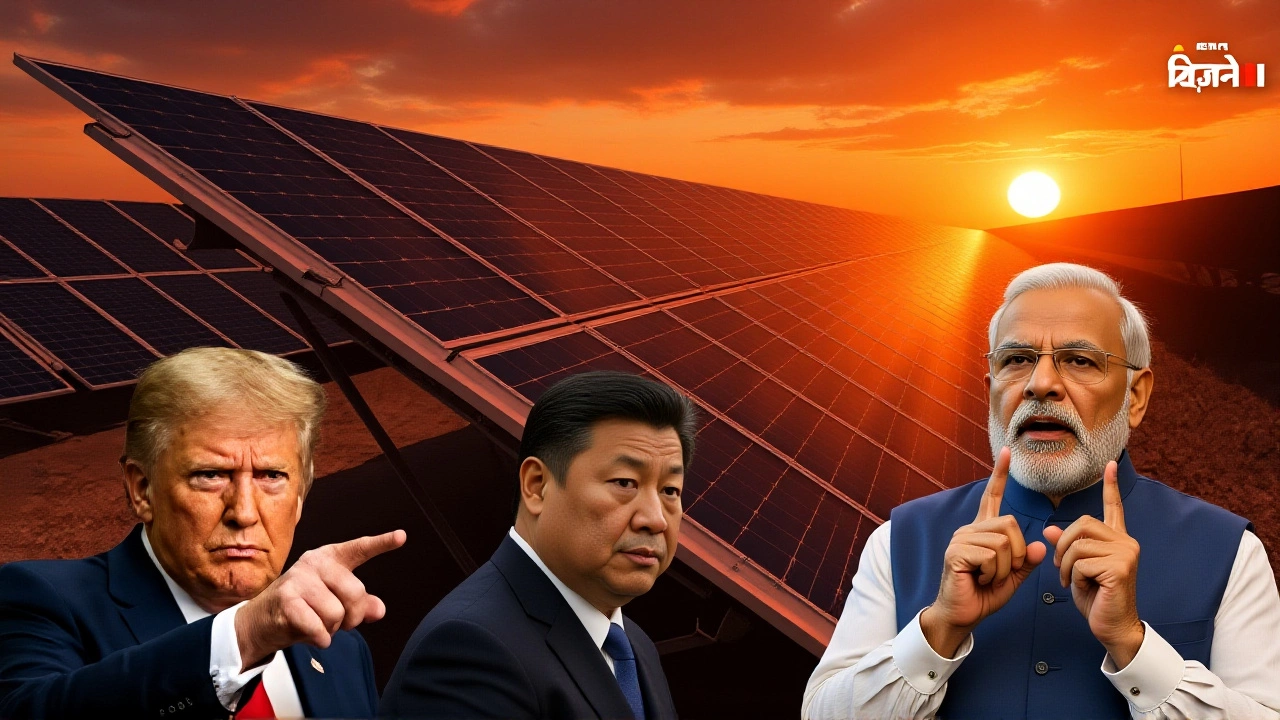
The dream of a domestic solar manufacturing renaissance in the United States hit a wall on May 10, 2026. A Reuters report revealed that Donald Trump, President of the United States, has launched an aggressive crackdown on China-linked solar firms, inadvertently stalling the very factory boom his administration sought to ignite. The twist? The net is wide enough to catch major players from India, Indonesia, and Laos, turning what was supposed to be a clean energy victory into a complex trade war.
Here’s the thing: you can’t just ban Chinese panels without disrupting the global supply chain. And that’s exactly what happened. The U.S. Department of Commerce didn't just look at China; they looked at where the Chinese materials were going next. The result? Punitive tariffs that are reshaping the entire renewable energy landscape.
The Tariff Hammer Falls
It started with complaints from U.S. manufacturers who felt crushed by cheap imports. In August 2025, the Commerce Department opened investigations into solar cells and modules coming from India, Indonesia, and Laos. They suspected these countries were acting as backdoors for subsidized Chinese goods—a tactic often called "transshipment."
Then came the hammer blow. For India, the department imposed a preliminary countervailing duty (CVD) of roughly 125.87%. Yes, you read that right. It’s effectively a double-digit tax that makes importing Indian solar products nearly impossible. Indonesia faced an even steeper rate of 143%, while Laos got hit with 81%.
But wait, why such specific numbers? It comes down to cooperation—or the lack thereof. The investigation singled out two subsidiaries of the Adani Group: Mundra Solar Energy and Mundra Solar PV. These companies were named as mandatory respondents but chose to withdraw from the probe in November 2025. Under U.S. trade rules, this triggers "adverse facts available" (AFA), meaning regulators use the worst-case scenario data to calculate duties. That’s how you get a tariff over 125%.
Customs Seizures and Forced Labor Claims
Tariffs aren't the only weapon in the arsenal. The U.S. Customs and Border Protection (CBP) has been aggressively enforcing a 2022 law designed to block goods made with forced labor. This legislation specifically targets polysilicon—the raw material for solar panels—linked to China’s Xinjiang region.
Recently, CBP seized electronics shipments worth approximately $43 million arriving from India. While this is a small fraction of the $3 billion in total Indian electronics exports to the U.S., the message is loud and clear. The shipment included polysilicon and finished solar panels. Industry insiders call it a "major shock," noting that enforcement agencies are now scanning every solar component with microscopic scrutiny.
The irony? India’s solar exports to the U.S. have surged ninefold since 2022, reaching $792.6 million last year. American officials argue this surge relies too heavily on Chinese inputs, undermining the goal of true independence.
The Security Angle: Data Espionage Fears
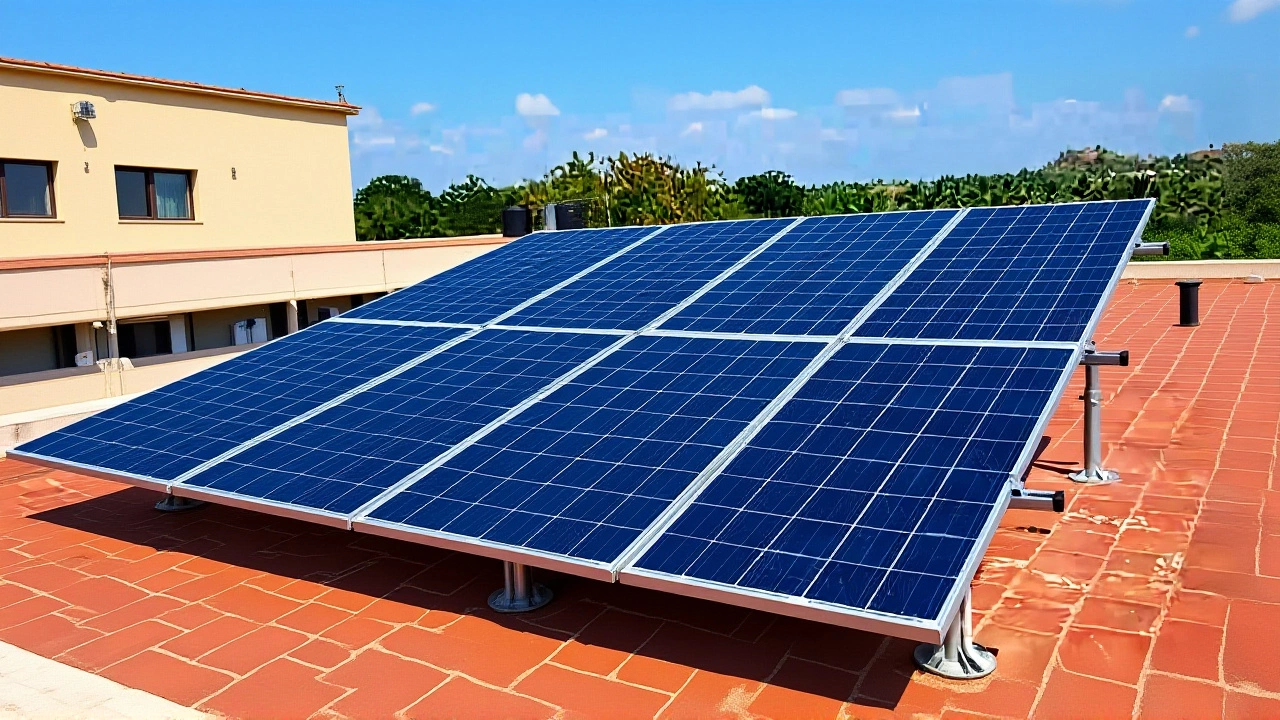
There’s another layer to this story that goes beyond economics. National security concerns are heating up, particularly regarding smart inverters used in solar systems. Reports suggest fears that some Chinese-made inverters could transmit data about energy consumption patterns to foreign servers.
In response, India’s government has tightened its own screws. Under the PM Surya Ghar Muft Bijli Yojana scheme, all new solar installations must connect their inverters directly to government-controlled servers. The goal? Keep data local and prevent any potential espionage. It’s a defensive move, but it highlights how deeply intertwined energy policy and security have become.
Impact on the U.S. Factory Boom
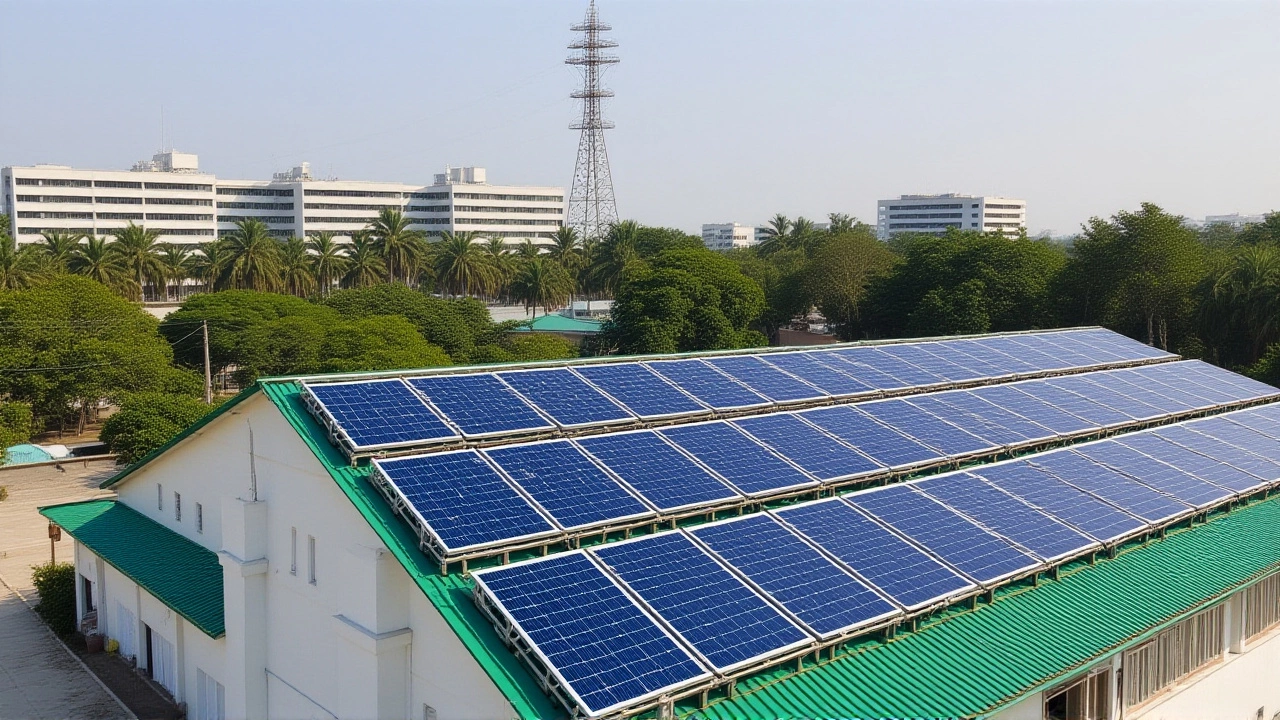
So, what does this mean for the average American hoping for cheaper green energy? Unfortunately, prices might go up. By cutting off cheap imports from Asia, the Trump administration hoped to force investment into U.S. factories. But building plants takes time—years, not months. In the interim, developers face a shortage of affordable components.
Analysts point out that while long-term domestic capacity will grow, the short-term pain is real. Projects delayed due to supply constraints mean slower progress toward climate goals. Plus, the high tariffs create uncertainty for investors who don’t know which suppliers will be safe tomorrow.
Frequently Asked Questions
Why did the U.S. impose such high tariffs on Indian solar panels?
The U.S. Department of Commerce determined that Indian manufacturers, specifically Adani Group subsidiaries, failed to cooperate with an investigation into subsidies and transshipment of Chinese goods. By withdrawing from the probe, they triggered 'adverse facts available' penalties, resulting in a punitive 125.87% duty intended to discourage imports deemed unfair.
How does the forced labor law affect solar imports?
A 2022 U.S. law bans imports made with forced labor, particularly targeting polysilicon from China's Xinjiang region. Since many global supply chains use Chinese raw materials, customs agents are seizing shipments from third countries like India if they cannot prove the materials are free from forced labor links. Recently, $43 million in Indian electronics were held under this rule.
What is the 'solar panel trap' mentioned in reports?
This refers to national security concerns that smart inverters in solar systems, particularly those of Chinese origin, may collect and transmit sensitive data about household energy usage to foreign servers. In response, countries like India are mandating that inverter data stay on local, government-controlled servers to mitigate espionage risks.
Will these tariffs lower or raise solar costs for Americans?
In the short term, costs are likely to rise. Cutting off cheap Asian imports creates a supply gap before new U.S. factories can come online. While the long-term goal is domestic manufacturing independence, the immediate effect is higher prices for developers and potentially consumers, slowing the pace of renewable energy adoption.